
From Admissions to Alumni: Lifecycle Data for Colleges and Universities
Why registrars and deans look for continuity across programmes, batches and accreditation cycles.

Key takeaways
- Lifecycle continuity matters most at hand-over points between offices.
- Accreditation evidence is easier when it is a by-product of daily work.
- Alumni engagement starts with a clean record at graduation.
01Where continuity breaks
In higher education the student record passes through admissions, the registrar, departments, examinations, placements and alumni relations. Each hand-over is a chance for information to be retyped, delayed or lost.
Lifecycle continuity matters most at hand-over points between offices.
02Evidence as a by-product
Accreditation cycles ask institutions to show outcomes over several years. When attendance, assessments, feedback and placements are recorded in one system, much of that evidence can be assembled from existing data instead of being gathered from scratch.
03Graduation is a beginning
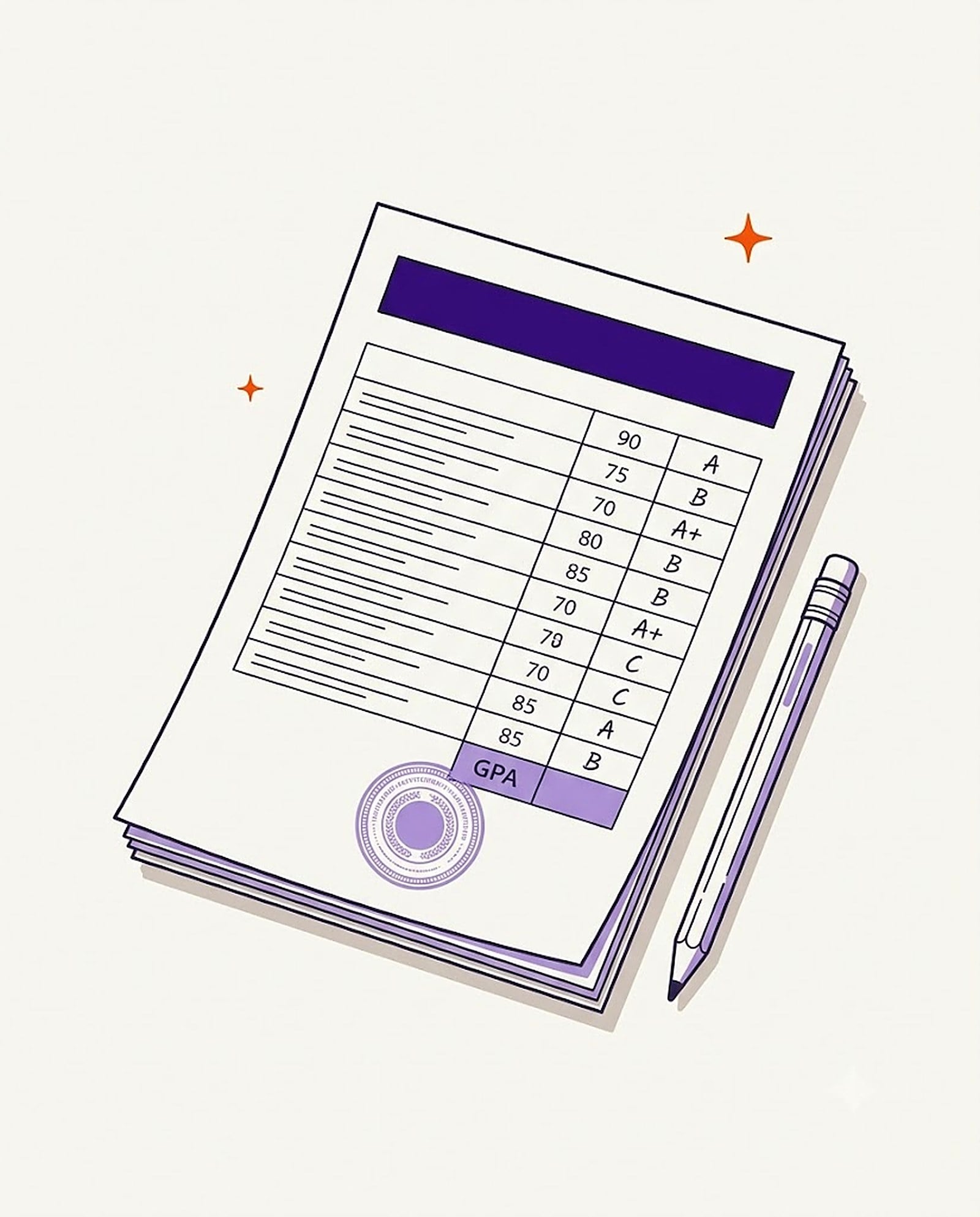
A complete, verified record at graduation gives alumni teams a reliable starting point for transcripts, verification requests and long-term engagement.
- Verified contact details
- Programme and award history
- Consent preferences for future communication
CareerBook Editorial Team
Insights for education leaders. This is sample content to preview the article layout; the final article will be supplied by the CareerBook ERP team.